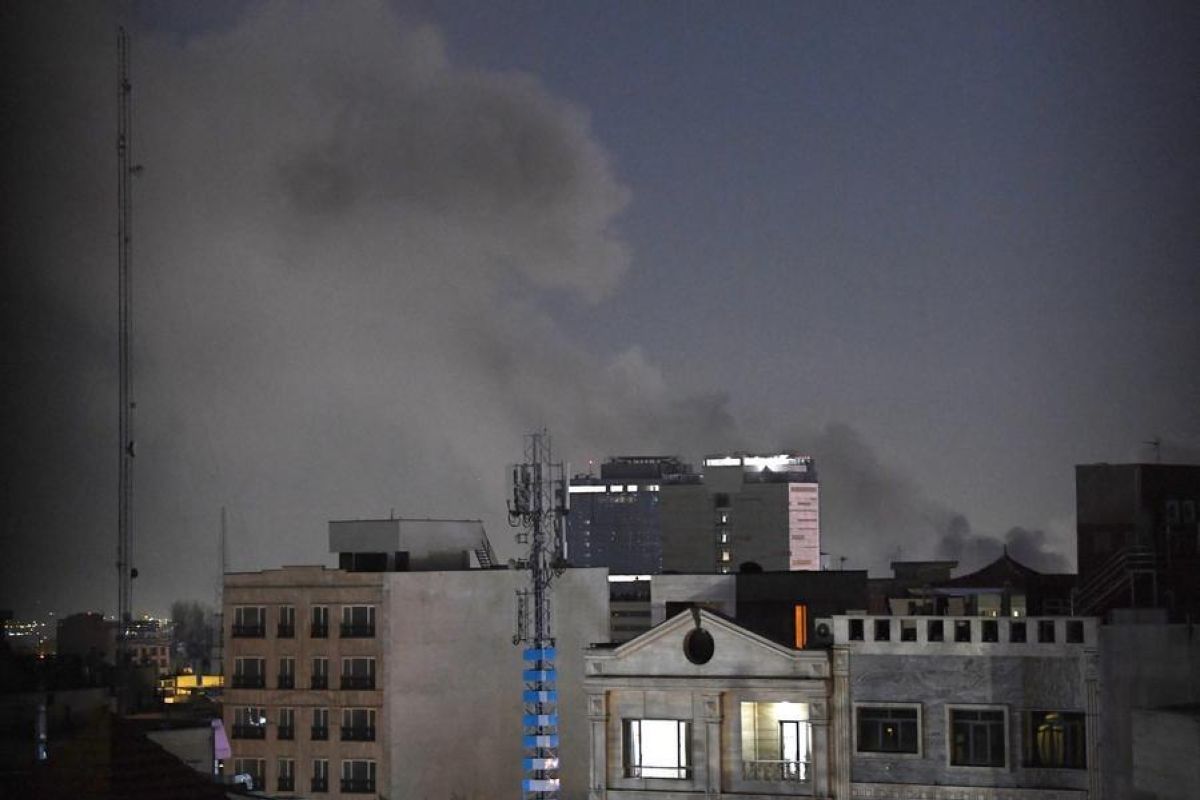
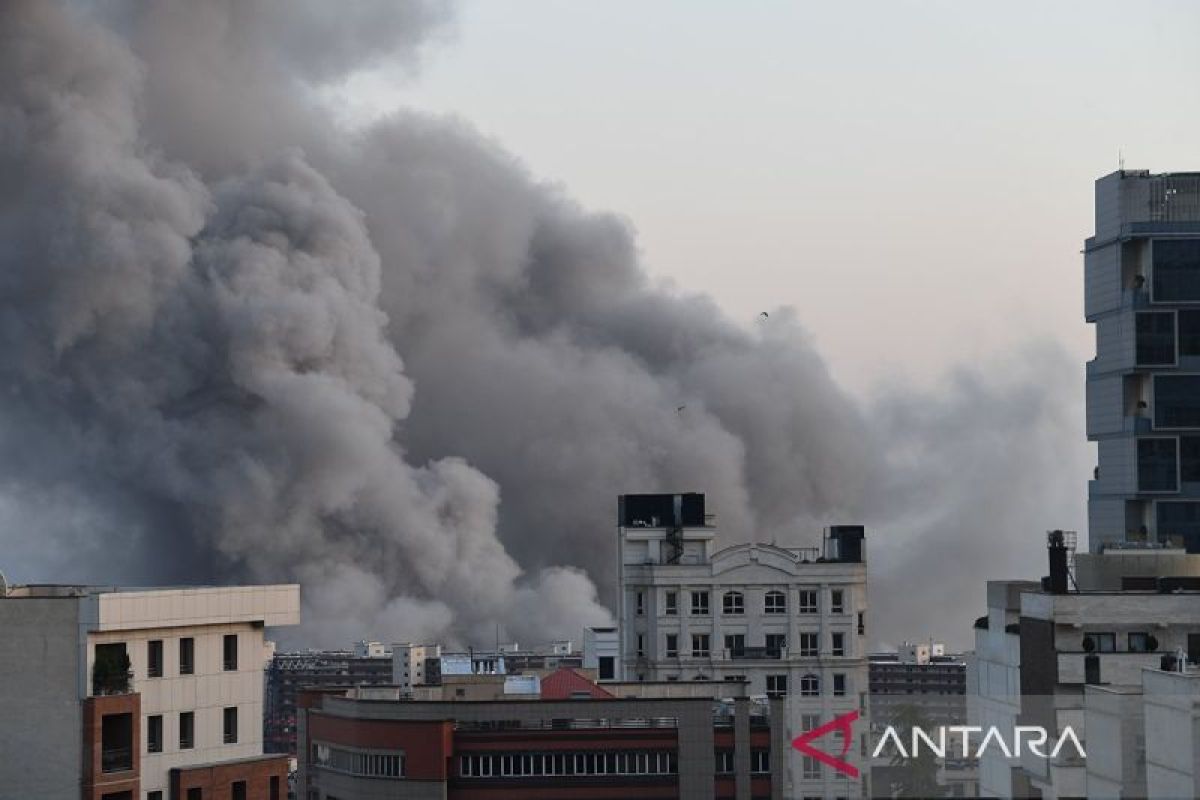
TEMPO.CO, Jakarta - The financial toll of the Iran war mounts as the conflict continues to escalate. While the estimates pointed to a heavy cost, this rapid growth is triggering intense internal debate among US lawmakers over the lack of a clear timeline and how long such extreme spending can be maintained.
According to MS NOW and Al Jazeera, Representative Brendan Boyle of Pennsylvania, the top Democrat on the House Budget Committee, has officially called on the Congressional Budget Office (CBO) to track every dollar being spent, to seek clarity on the actual cost of the war waged on Iran.
As the conflict drags on, the pressure on the federal budget is becoming impossible to ignore. This CBO analysis is expected to offer a clearer picture of whether these daily costs can be sustained long-term.
How Much Does the Iran War Cost Daily for the US?
According to Al Jazeera, estimates on the daily cost of the early stages of the military operation in Iran vary.
On Thursday, MS NOW reported that two US congressional sources said the war with Iran cost Washington nearly US$1 billion per day.
On Friday, Politico said US Republicans feared the Pentagon spending close to US$2 billion per day for the military campaign against Iran.
Meanwhile, on Saturday, The New York Times cited that Pentagon officials have told Congress that the first week of the war has cost the government US$6 billion.
This surge in spending is driven by a massive airpower deployment. Since early February, Washington has deployed over 120 aircraft to the region, the largest concentration of US air strength in the Middle East since 2003.
To support this high-intensity operation, the Pentagon is preparing a US$50 billion supplemental budget request. These funds will be used to replace Tomahawk and Patriot missiles and THAAD interceptors already used during the initial strikes, as well as equipment that has been damaged or worn out.
How Is the Money Being Spent?
The immense daily cost for the Iran war is fueled by the rapid consumption of advanced munitions and unbudgeted operational expenses. According to the breakdown from the Washington-based think thank the Center for Strategic and International Studies (CSIS), the majority of the US$3.7 billion spent in the first 100 hours of the war is directed toward these specific areas:
- Munitions Expenditure: U.S. forces expended over 2,000 munitions in the first 100 hours, costing an estimated US$3.1 billion in replenishment. High-end interceptor missiles, essential for defense, cost at least US$2 million per unit.
- Combat Losses and Infrastructure: Unbudgeted costs for hardware losses and infrastructure damage have added approximately US$350 million to the war's deficit.
- Operational Support: Logistics and maintaining a heavy naval presence account for approximately US$196 million, of which only US$178 million was previously covered by the standard budget.
Funding and Political Challenges
The director of the Penn Wharton Budget Model (PWBM), Kent Smetters, estimates that the Iran war will cost US taxpayers at least US$65 billion, assuming a two-month duration. This projection covers direct military operations and the total replacement of equipment and supplies. However, costs could escalate further if the conflict extends beyond eight weeks or there is a demand for a major buildup of ground personnel.
This massive price tag is creating political friction. While funding needs grow, many argue that these billions should be prioritized for domestic needs like healthcare and housing.
Muhammad Raymizzaad Noor (Intern)
Read: Iran Vows to Continue Oil Blockade Until US-Israel Attacks End
Click here to get the latest news updates from Tempo on Google News



























:strip_icc():format(jpeg):watermark(kly-media-production/assets/images/watermarks/bola/watermark-color-landscape-new.png,1125,20,0)/kly-media-production/medias/4908650/original/070505300_1722696593-20240803BL_Perebutan_Peringkat_Ketiga_Piala_Presiden_2024_3.JPG)
:strip_icc():format(jpeg)/kly-media-production/medias/4488124/original/055858200_1688279072-IMG_5642.JPG)