

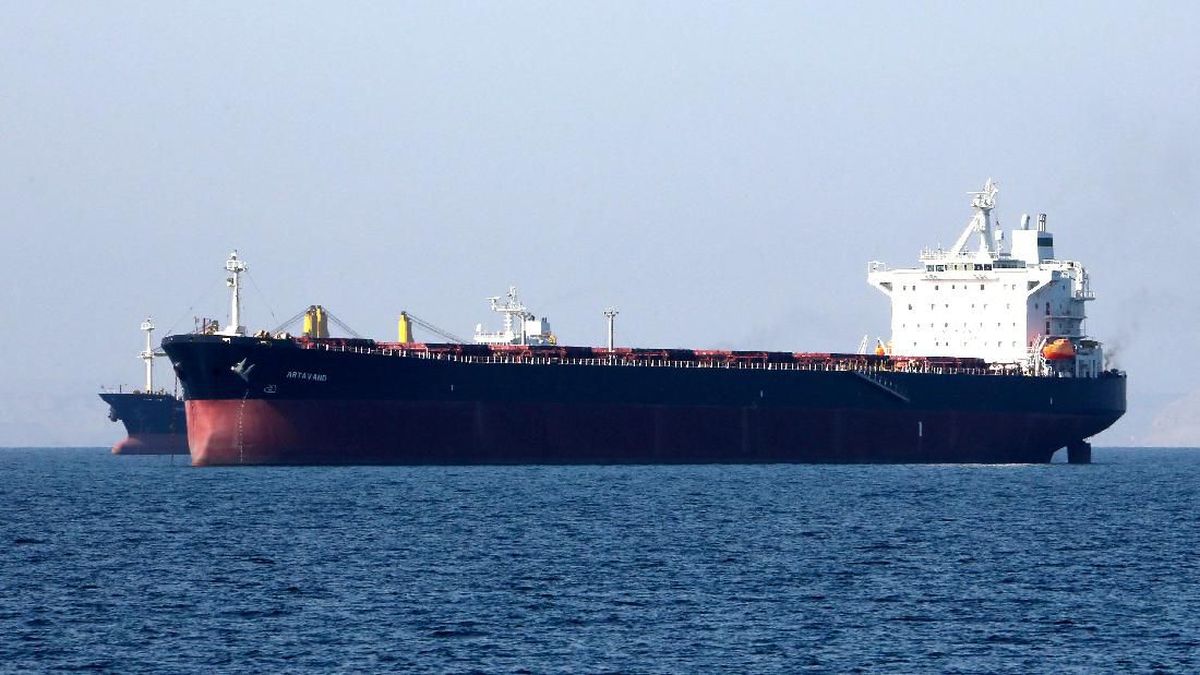
TEMPO.CO, Jakarta - The price of plastic in Indonesia has sharply increased recently due to disruptions in the supply of nafta (a derivative of crude oil that is a key material in plastic production) from the Middle East. The conflict involving Iran, Israel, and the United States has disrupted the distribution of energy and chemicals in the region, triggering a global price hike.
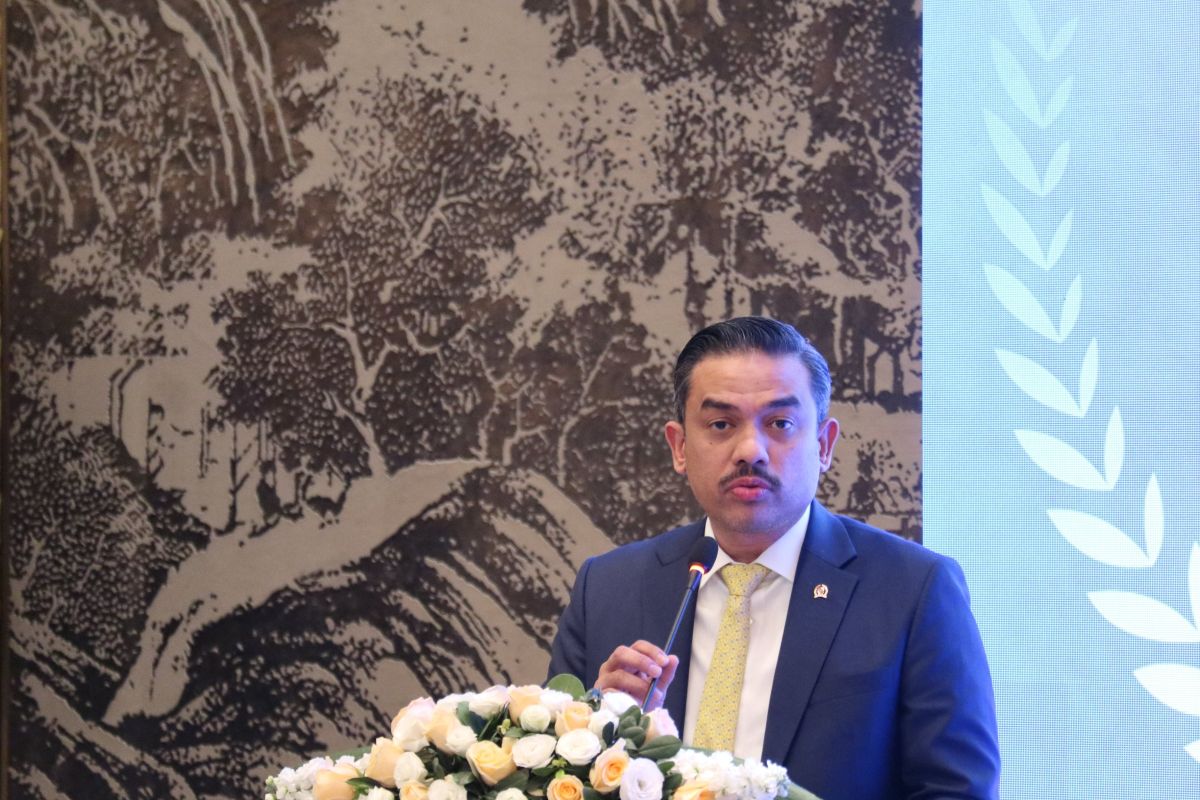
Minister of Trade Budi Santoso stated that the government is seeking alternative sources of nafta to ensure a steady supply and stabilize domestic prices. "Indeed, one of the raw materials for plastic, namely nafta, needs to be imported from the Middle East. However, the Middle East is currently being affected by the conflict between Iran, Israel, and the United States," said Budi after visiting the Sukoharjo Regency in Central Java on Thursday, April 2, 2026.
Budi mentioned that there are at least three countries that serve as alternative suppliers of the raw material: Africa, India, and America. Negotiations with nafta suppliers from these three countries are underway, although contract settlements and distribution still require time.
In addition to supply issues from the Middle East, Budi revealed that several countries that have been global plastic producers and suppliers are facing production challenges. Several facilities in Singapore, Thailand, South Korea, and Taiwan have reportedly experienced force majeure, rendering them unable to fulfill supply contracts.
"So, this is indeed a global problem. Hopefully, the conflict will end, and everything will return to normal later," he said.
One plastic shop owner in Sukoharjo, Central Java, 47-year-old Zubaedah, mentioned that the plastic price surge has been felt since before the 2026 Eid al-Fitr. "Before Eid, plastic prices had risen by an average of around 30 percent. After Eid, the increase reached an average of about 70 percent," said Zubaedah when contacted by Tempo.
She gave examples of high-quality plastic brands that used to cost Rp7,000 per pack for certain sizes, but now cost Rp10,000 per pack. The price of a certain size of plastic cups from another brand has increased from Rp8,000 to Rp13,000 per pack.
Read: Middle East Conflict Risks Rp56tn Loss in Tourism, Says Minister
Click here to get the latest news updates from Tempo on Google News
Study: Pacific Ocean Currents Carry Microplastics Into Indonesian Waters
24 hari lalu
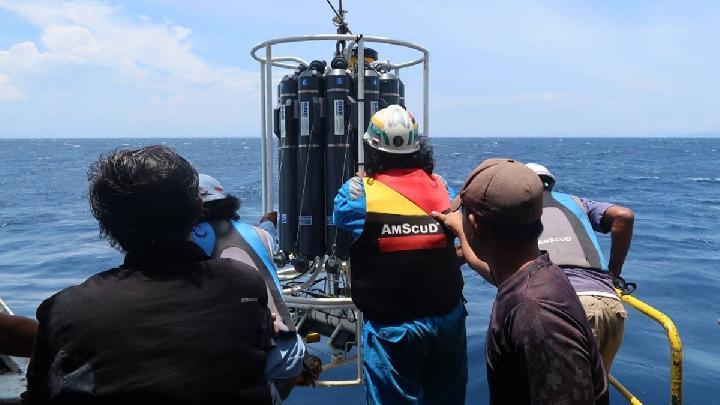
A joint research effort among various countries has found microplastics in Indonesian ocean regions up to a depth of 2,450 meters.
Microplastic Rain Hits East Java; Govt Urged to Act
34 hari lalu
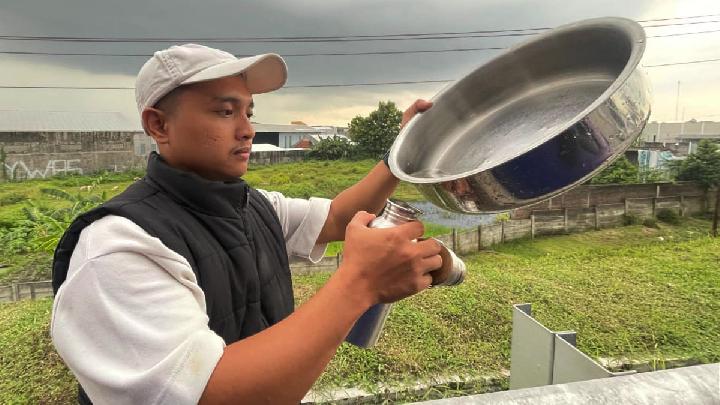
Researchers discover microplastics in East Java's rainwater, natural springs, and even human amniotic fluid. Experts urge the government to act.
BGN Bans Use of Plastic for Ramadan Free Nutritious Meal Packaging
36 hari lalu

The ban on plastic is intended to ensure that food remains fresh until it is received by the intended recipients.
World Waste Awareness Day: How Microplastics Enter the Human Body
38 hari lalu
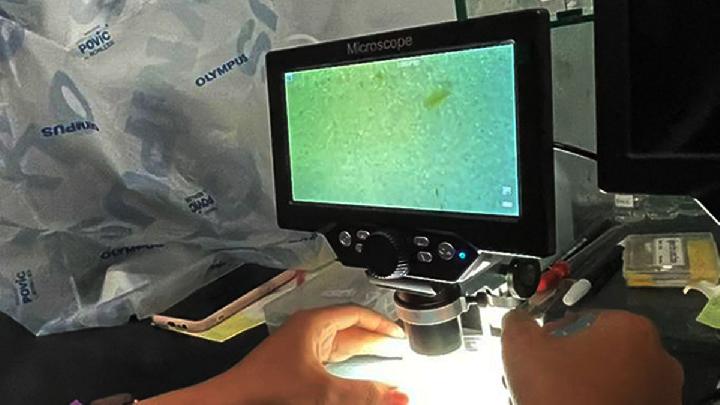
The Indonesian people consume the most microplastics, about 15 grams per month.
Plastic Emissions Could Double Health Damage by 2040
28 Januari 2026

Plastic pollution could double its harm to human health in the coming decades if current production trends continue, according to a new study.
Plant-Based Plastic Innovation: Leaves No Microplastics
23 Desember 2025
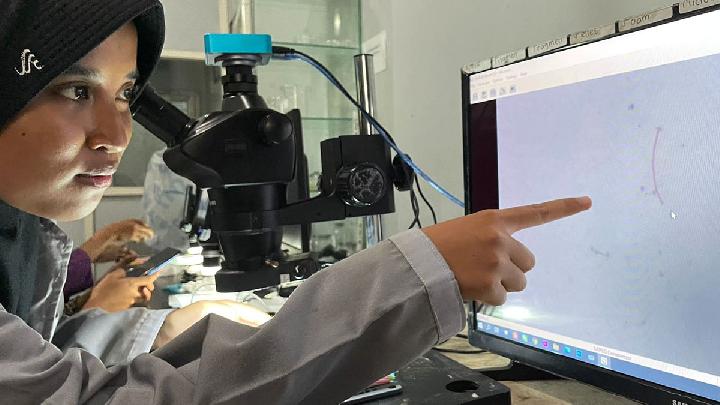
Japanese researchers have developed a plant-based plastic packaging material that easily decomposes in water without leaving microplastics.
From Tea Bags to Table Lamps: Surabaya Student Innovates Eco-Friendly Home Dcor
10 Desember 2025
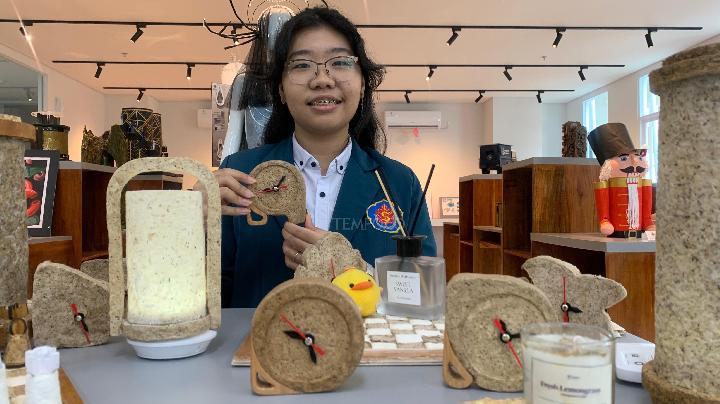
Jeanne Theresia Mintarja, a student at the University of Surabaya, creates home decorations from used tea bags in response to the concerns about microplastic content in tea bags.
Why Does Ocean Plastic Take Decades to Break Down? Scientists Explain
29 Oktober 2025

Contrary to common belief, most large ocean plastics degrade very slowly at the surface, with about 10 percent still afloat even after a century.
Australia Invests Rp13 Billion to Help Reduce Indonesia's Plastic Waste
29 Oktober 2025
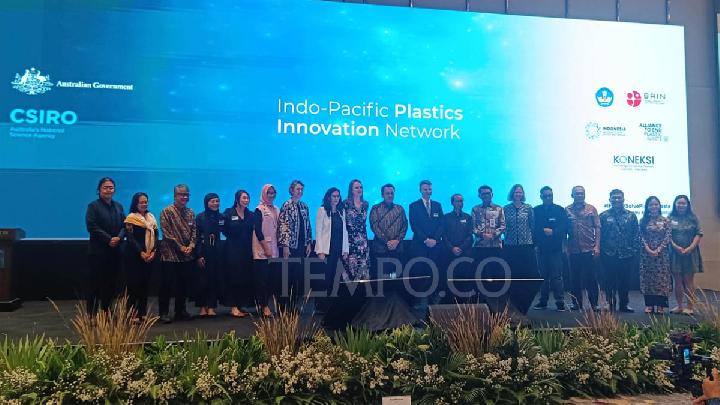
Australia, through the IPPIN program, has allocated approximately Rp13 billion for innovative plastic waste reduction in Indonesia.
GGGI, ADUPI Ink Partnership on Sustainable Plastic Management in Jakarta Summit
15 Agustus 2025

Plastic waste made up 19.75 percent of Indonesia's total waste in 2024, amounting to 6.76 million tons.




























:strip_icc():format(jpeg):watermark(kly-media-production/assets/images/watermarks/bola/watermark-color-landscape-new.png,1125,20,0)/kly-media-production/medias/5495647/original/074499000_1770385031-barba.jpeg)