TEMPO.CO, Jakarta - The Indonesian government has designated the Waste-to-Energy Power Plant (PSEL) in the first wave of the National Strategic Project (PSN) in three locations: Bogor, Bekasi, and Denpasar. Meanwhile, the West Java Environmental Forum (Walhi Jabar) has rejected the PSEL as a solution to the waste crisis.
According to M. Jefry Rohman, Manager of the Education Division and Coordinator of the Waste Advocacy Team of Walhi Jabar, PSEL has the potential to extend the wrong waste management model, endanger public health, burden public finances, and disregard waste reduction at the source, as he informed Tempo on Thursday, June 11, 2026.
The first reason for rejection is that PSEL is based on incineration, which focuses on waste disposal through burning, rather than waste reduction, sorting, reuse, recycling, and composting. According to Jefry, this approach contradicts the waste management hierarchy principle, which prioritizes prevention and reduction.
Secondly, PSEL is considered unsuitable for Indonesia's waste characteristics, dominated by wet organic waste with low calorific value, making it unsuitable for incineration technology. "This condition actually increases the need for additional fuel and operational costs," he said.
The third reason is the concern about the health and environmental impact of PSEL emissions. According to Jefry, waste incineration has the potential to produce hazardous pollutants, such as dioxins, furans, heavy metals, fly ash, and hazardous toxic residues that can threaten public health and pollute the air, soil, and water if not strictly managed.
Furthermore, Walhi Jabar opposes PSEL, which uses public funds for expensive and high-risk technology. Lastly, PSEL threatens the sustainability of the circular economy and of the waste sector workforce. "This condition can harm scavengers, collectors, and circular economy practitioners who have contributed to reducing waste," said Jefry.
Previously, the government designated PSEL as the first wave of PSN in three locations: Bogor, Bekasi, and Denpasar. PSEL in Bekasi will be managed by PT Wangneng Bekasi Environment Nusantara, in Bogor Raya by PT Welming Nusantara Bogor New Energy, and the manager in Denpasar Raya by PT Welming Nusantara Bali New Energy.
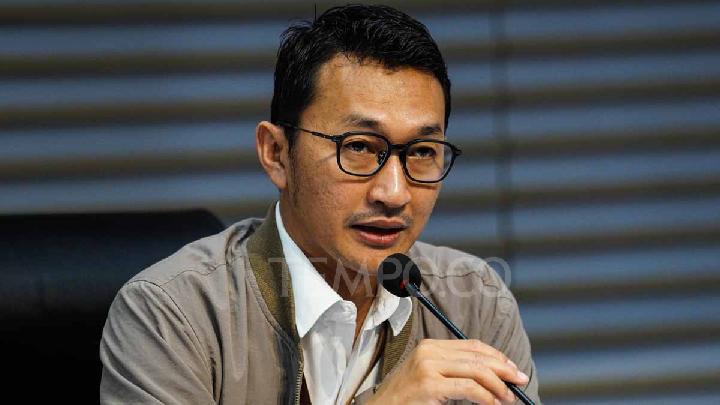
According to the Chief Executive Officer of PT Danantara Investment Management Agency, Pandu Patria Sjahrir, the designation of the PSEL location aims to provide an integrated solution to the waste crisis. The execution will be carried out through PT Daya Energi Bersih Nusantara (Denera).
"This initiative includes improvement of waste management systems, reduction of dependency on final processing sites (TPA), and optimization of waste utilization for energy," said Pandu in his statement on Wednesday, June 10, 2026.
Walhi Jabar urges the government to stop plans to construct and expand the PSEL project in West Java. Instead, they should prioritize policies that reduce waste at the source by at least 50 percent within the next five years. Walhi also pushes for a gradual ban on single-use plastics and non-recyclable packaging, as well as mandatory Extended Producer Responsibility (EPR) for product packaging.
The government is also asked to strengthen organic waste management through household-scale composting, community, and regional composting, and ensure meaningful public participation in every waste policy decision-making. "Developing waste management systems based on human rights, ecological justice, and a circular economy," he said.
Walhi Jabar challenges the government to bravely commit to implementing global standards for PSEL. Internationally, according to Jefry, the main reference often used is the European Union standards through the Industrial Emissions Directive (IED) and Best Available Techniques (BAT) for Waste Incineration documents.
These standards stipulate the most effective technologies that must be employed to minimize pollution from waste incinerators. Some of the principles include waste reduction at the source, recycling of valuable materials, and composting of organic waste. "Only residues that cannot be recycled can enter the incinerator," he said.
These global standards rank waste-to-energy power plants (WEPs) as the last option after waste reduction, reuse, and recycling (3R). Then there are very low emission limits, such as for dust, dioxins, and furans. These limits can only be achieved through layered pollution control technology, continuous emission monitoring that is accessible to regulators and the public, and the management of residual ash from incineration as hazardous waste.
Read: Jakarta, Danantara Sign Rp17.4 Trillion Waste-to-Energy Deal
Click here to get the latest news updates from Tempo on Google News