April 25, 2026 | 10:05 am

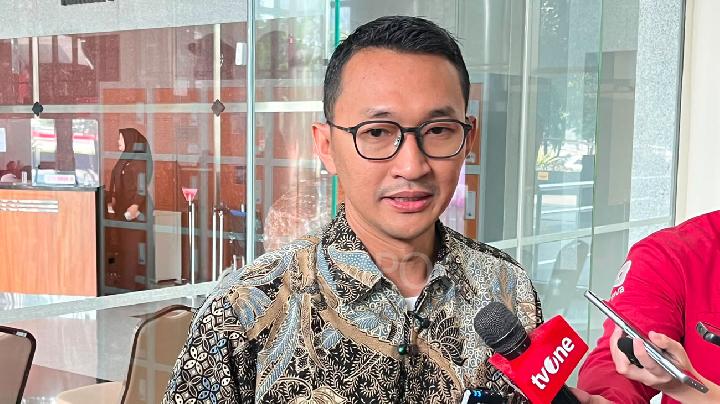
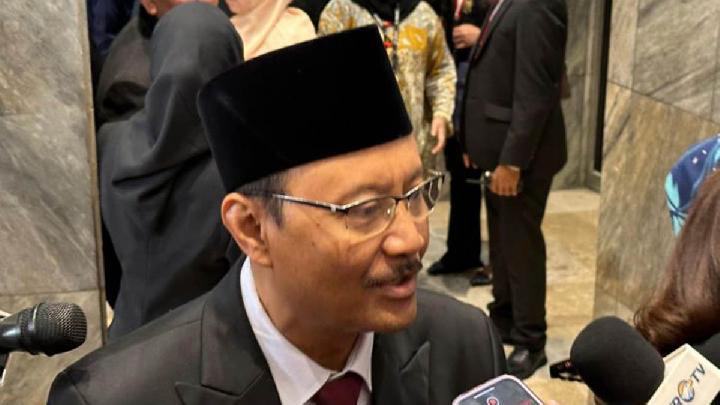
TEMPO.CO, Jakarta - The Head of the Cyber Studies Center at the Police Science College (STIK) Indonesian National Police Education and Training Institute (Lemdiklat Polri), Yudho Giri Sucahyo, stated that the development of artificial intelligence technology, especially deepfake, plays a crucial role in modern global conflicts. "Modern warfare includes information warfare, including cognitive warfare, cyber warfare, and media warfare," he said in mid-April 2026.
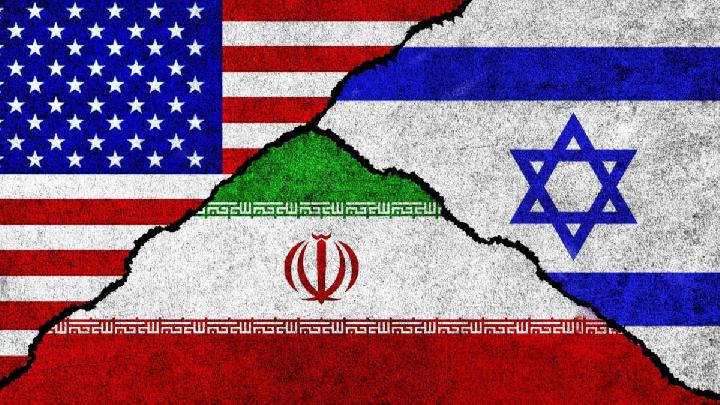
According to Yudho, conflicts such as those in the Middle East are no longer merely physical but have also expanded into the realm of information warfare. He explained that various technologies, including deepfakes, are used to shape public emotions, perceptions, and opinions. Manipulative content such as fake speeches and engineered attack videos has become effective propaganda tool in influencing the public.
Yudho noted that the use of deepfake in video form has indeed increased, especially on social media, but has not yet fully dominated compared to classical disinformation methods such as edited texts and images. "The advancement of generative AI has greatly contributed to the increasing prevalence of deepfake on the internet," he said.
Furthermore, he emphasized that the impact of deepfake in conflict situations is very dangerous. In addition to potentially manipulating public opinion, this false content can also erode public trust in information. "The public can reach a point where they no longer know what is real and what is fake," he said.
In the context of Indonesia, Yudho mentioned that the level of public awareness of the deepfake threat is still uneven. Although the government, through the Ministry of Communication and Information, has promoted digital literacy, geographic challenges and population size have hindered these efforts from being optimal. Vulnerable groups such as new social media users and the elderly are considered to need more attention.
He also reminded the public to be more critical in dealing with digital content. One simple way to recognize deepfake is by paying attention to the mismatch between lip movements and sound, stiff facial expressions, and unnatural voices. However, he acknowledged that deepfake technology is constantly evolving, making it increasingly difficult to detect.
"In the online world, never immediately believe in viral content, especially those urging immediate distribution. Always verify through mainstream media," he stressed.
Yudho added that currently, the speed of deepfake content dissemination far exceeds the public's ability to detect it. The main causes of the rapid spread of disinformation are social media and emotional impulses.
To prevent people from becoming victims, he emphasized the importance of continuously improving digital literacy, educating people to think before sharing, and encouraging the media and government to provide fact-checking resources. Additionally, he advocated for electronic system organizers to label content based on AI in accordance with applicable regulations.
"Most importantly, the public must always be skeptical and verify before believing or disseminating information," he said.
Ghaeiza Kay Rasuffi contributed to this article
Read: Meta, Microsoft Purge Jobs Amid AI Build-Up
Click here to get the latest news updates from Tempo on Google News
Netanyahu Denies Death Rumors as Grok Calls Video Deepfake
40 hari lalu
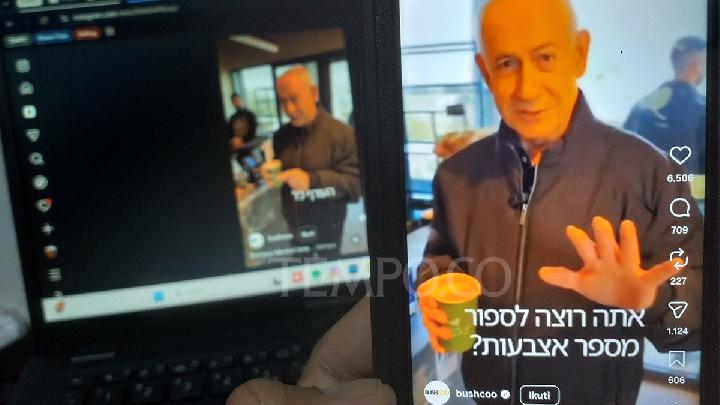
Amid rumors of his death, Israeli PM Netanyahu allegedly posted a video of himself at a coffee shop denying his death, but Grok claimed otherwise.
Ireland Launches Data Protection Probe into Grok's Deepfakes
17 Februari 2026

This latest investigation, on behalf of the EU, will look into whether X violated the bloc's data protection rules.
Response Bias by Artificial Reasoning
15 Februari 2026

Research and surveys show that AI bias can filter information and influence users.
India Tightens AI Rules for Social Media Platforms
11 Februari 2026

Social media platforms will have to clearly label AI content and comply with takedown requests by Indian authorities within three hours.
Deepfakes Running Rampant, Here's How to Spot Fake AI-Generated Faces
29 Desember 2025
More cases show that the general public is more likely to perceive AI-generated faces as original compared to real human faces.
India's New Rules to Tackle Deepfakes Look Good, But Are Hard to Put in Action
15 Desember 2025
In India, it took an actress, Rashmika Mandanna, to become the victim of a deepfake for the policymakers to sit up and take note.
The Double-Edged Sword of OpenAI's Video Generator Sora
16 November 2025

Apart from racism, the latest AI model developed by OpenAI, known as Sora 2, has been found to generate body-shaming content.
Australian Researchers Develop AI-Disrupter Tool to Combat Deepfakes
13 November 2025

Researchers at Monash University collaborate with the Australian Federal Police to develop an AI system making it difficult to be manipulated into deepfakes.
How to Protect Yourself from Deepfake Threats
23 Agustus 2025
The simplest way to protect yourself from deepfakes is to be careful about what you share online.
The Different Types of Deepfakes You Should Know About
21 Agustus 2025
Understanding deepfakes, including the various types, is one way to combat them.













:strip_icc():format(jpeg):watermark(kly-media-production/assets/images/watermarks/bola/watermark-color-landscape-new.png,1125,20,0)/kly-media-production/medias/5495647/original/074499000_1770385031-barba.jpeg)