March 11, 2026 | 10:29 am
By Peter Newman, Curtin University, Perth, and Ray Wills, The University of Western Australia, Perth.
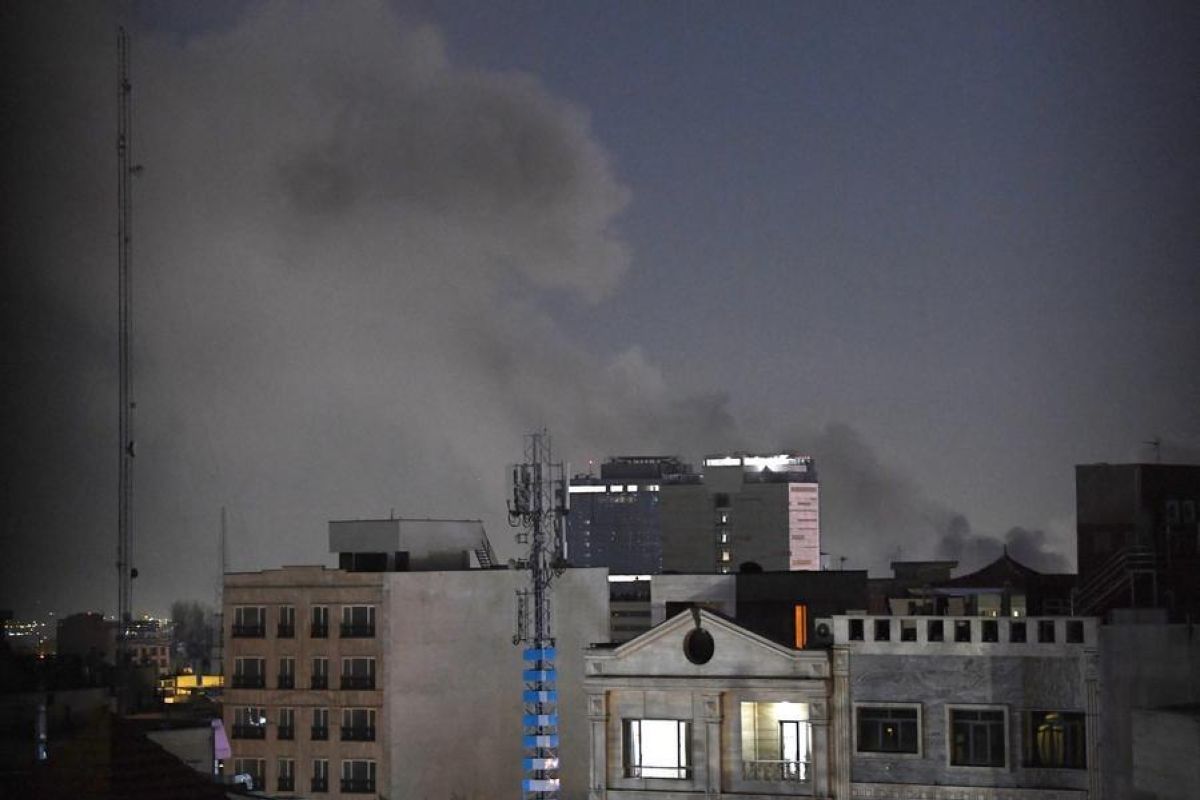
On March 9, oil prices crossed US$ 100 a barrel for the first time in almost four years as the war in the Middle East between the US and Israel on one side and Iran on the other continued to escalate with no immediate end in sight.
Oil price shocks triggered by conflict in the Middle East have historically reshaped global energy systems. But the latest tensions around the Strait of Hormuz are unlikely to produce a long-term return to high oil prices.
The first oil crisis in 1973 shaped the lives of baby-boomers. The price of oil quadrupled overnight as Arab oil exporters targeted Canada, Japan, the Netherlands, the UK and the USA. The second oil crisis, in 1979, followed the Iranian Revolution and panic buying set in as the oil price shot up. Then the 1980-88 Iran-Iraq war reduced global oil supply even further, so the price rose dramatically right through the 1980s.
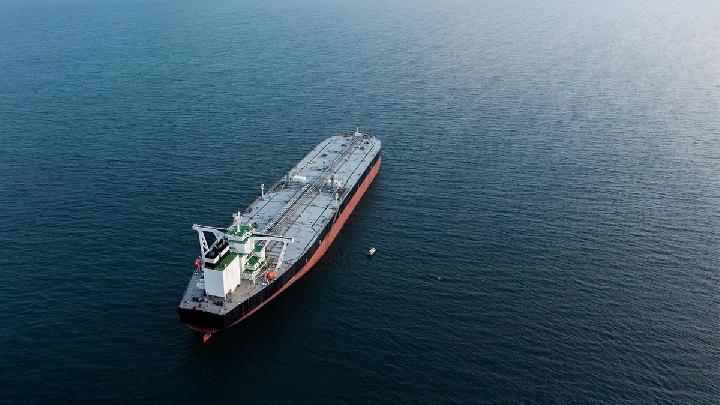
The latest outbreak of war in the Middle East has led to oil tankers being trapped in the Straits of Hormuz, and key producers such as Qatar, Iraq and Kuwait cutting production.
Our reading of both the data and history is that this crisis will reinforce the shift away from oil. If the current war blows out and creates a prolonged oil crisis of months rather than weeks, there will be more downward pressure on oil use – and an equal acceleration in China of electric car production at home, with an associated surge in exports.
The first oil shock disrupted daily life across many Western countries. Fuel shortages led to rationing, long queues at petrol stations and emergency conservation measures in several cities in the United States and Europe.
One of us experienced the oil crisis in the USA where San Francisco fell apart as fuel became scarce, 5 km long queues started at gas-stations and people began stealing from neighbours’ cars.
Australia was not targeted. But the ensuing global inflationary spiral began the pressure to look at using less oil. Former prime minister Malcolm Fraser hooked Australia to global oil prices to help us keep more aware of volatility in the market.
Fuel efficiency standards became mainstream and drove public awareness of oil dependence to new heights.
Long term plans to get off oil were dropped in 1990 when oil prices crashed back to the $40 range and business-as-usual returned to car sales and use. But in 2008 it rose to a record $147 as China began its growth spurt and US production declined. The resulting global inflation again triggered a collapse in economies and oil fell to the $30s in a few months.
These crises and crashes were not good for economies and thus the need to get off oil became a major global concern. Market volatility in critical functions like transport is never good for economies and when it was clear that a global climate policy also required oil to be replaced then the logic to get rid of fossil fuels became overwhelming. In 2016 the Paris Agreement accelerated the race to electrify transport through the net zero transition.
Towards a decline for oil?
An article by Professor Hussein Dia in The Conversation suggests we must accelerate the switch for all transport from oil to electricity. Certainly, there are plenty of people now driving big oil-guzzlers that will be very worried about their decision.
Others saw that the situation had changed as demand was now much less than in previous decades and there was indeed ‘a global glut of oil’.
It is possible that the days of sustained triple digit oil prices may be over.
Our approach to the future is to trace fossil fuel use and renewables to see how rapidly the energy transition is happening and to predict the future by taking the trends forward using the inflections to guide the exponential trends rather than taking simple linear predictions. The figure shows these trends.
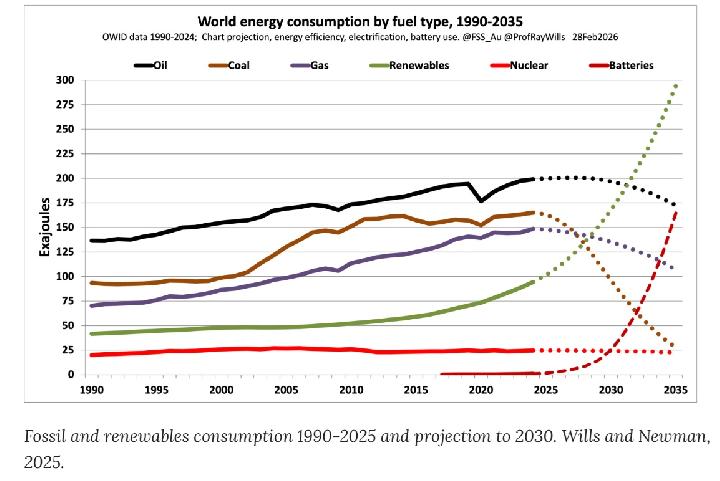 360info Graphic.
From our projections, renewable energy is quickly gaining momentum and will become the dominant global fuel source by 2030. The decline in oil as transport systems become electrified and fuelled by renewables, suggests oil is headed for dinosaur status.
As demand erodes, oil prices are likely to trend back towards something like $US 40-60 per barrel in the 2030s, not because the world has become more secure for oil, but because oil simply becomes less and less central to how we move people and freight.
For governments, cities and firms, the strategic response to the latest oil crisis cannot simply be to ride out the spike and hope for another crash. They must double down on electrification of transport, backed by rapidly expanding renewable generation and storage.
The world is choosing to depend on sunshine, batteries and wires rather than on unstable sea lanes and combustible geopolitics. The sooner we complete that choice, the less each new oil shock will matter.
Originally published under Creative Commons by 360info™.
*) DISCLAIMER
Articles published in the “Your Views & Stories” section of en.tempo.co website are personal opinions written by third parties, and cannot be related or attributed to en.tempo.co’s official stance.
Putin: Russia Ready to Supply Oil and Gas to Europe If Requested
3 jam lalu

Russian President Vladimir Putin stated that his country is ready to resume oil and gas supplies to Europe if they ask for it.
Iran War: How Long Before Gulf Nations Stop Pumping Oil?
13 jam lalu

The oil price spiked near $120 after strikes on Iran's energy sites and the shutdown of the Strait of Hormuz.
Indonesian Minister Dissuades Fuel 'Panic Buying' Amidst Iran War
14 jam lalu

Bahlil Lahadalia urges Indonesians to remain calm and not to "panic buy" fuel amidst the swinging oil prices triggered by the Iran war.
Iran Vows to Continue Oil Blockade Until US-Israel Attacks End
16 jam lalu
Iran's IRGC stated that they would not allow oil shipments from the Middle East if attacks by the US and Israel continue.
G7 Mulls Oil Reserve Release to Support Global Supply Amid Iran War
17 jam lalu

G7 discusses the possibility of coordinated release of oil reserves in the wake of soaring oil prices due to the joint US and Israel strike on Iran
Iran IRGC Warns of Energy War After US-Israel Strikes
21 jam lalu

The IRGC warns of a global energy war and $200 oil after Israeli strikes hit refineries near Tehran.
Vietnam Proposes Zero Import Tariff for Certain Oil Products
22 jam lalu
Since the war began over a week ago with the US and Israel's attacks on Iran, fuel prices in Vietnam have sharply risen.
Iran to Be Hit 'Twenty Times Harder' Should It Stop Oil Flow, Trump Says
1 hari lalu
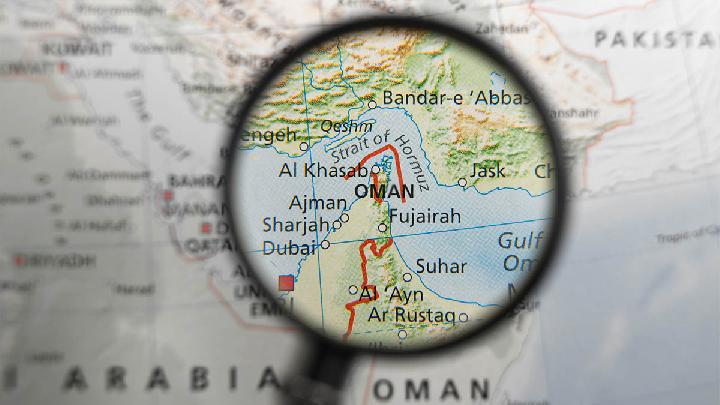
US President Donald Trump threatened Iran that it would be hit "twenty times harder" if Tehran stops the oil flow through the Strait of Hormuz.
Bangladesh Shuts Campuses, Limits Fuel as Iran Conflict Hits Energy Supply
1 hari lalu

Due to the fuel crisis caused by Iran's war against Israel and the U.S., Bangladesh closed its campuses.
Indonesia to Review Free Meal Budget as Oil Prices Hit $100
1 hari lalu

Indonesian Finance Minister Purbaya Yudhi Sadewa evaluates the Free Nutritious Meal (MBG) budget as global oil prices hit US$100.
































:strip_icc():format(jpeg):watermark(kly-media-production/assets/images/watermarks/bola/watermark-color-landscape-new.png,1125,20,0)/kly-media-production/medias/4908650/original/070505300_1722696593-20240803BL_Perebutan_Peringkat_Ketiga_Piala_Presiden_2024_3.JPG)



:strip_icc():format(jpeg)/kly-media-production/medias/4488124/original/055858200_1688279072-IMG_5642.JPG)