TEMPO.CO, Jakarta - The 27 European Union leaders were clearly at pains to cool down the rhetoric with U.S. President Donald Trump following their summit in Brussels on Thursday.
The bloc had agreed to the summit after Trump threatened to impose 10 percent tariffs on Germany, Denmark, Finland, France, the Netherlands, Sweden, Britain and Norway — nations that had sent troops to Greenland amid U.S. ambitions to take control of the Danish territory.
Pressure was taken off the meeting once Trump backed down from his threat after reaching a "framework of a future deal" on Greenland with NATO Secretary General Mark Rutte at the World Economic Forum in Davos, Switzerland.
"We engaged very actively with the United States on various levels," European Commission President Ursula von der Leyen told reporters following the summit. "We did so in a firm but non-escalatory manner. We know that we have to work more and more for an independent Europe."
Pasting over cracks in the trans-Atlantic relationship is becoming ever more difficult for Europe after a week that seemed to take it close to the edge of collapse.
"The European way of life is different than the American way of life," said European Council President Antonio Costa. "We believe that between friends, allies, partners, you need to manage our relationship with cordiality and respect."
It was apparent, however, that the EU will continue to pursue reconciliation with the U.S.
"I have the impression that many Americans feel the same way about this as we do," said German Chancellor Friedrich Merz in Brussels. "You don't just give up on this trans-Atlantic alliance. We built it up over 75 years. It is the most successful political alliance that there has ever been between Europe and America."
Powerful response still on the table
One remaining question is whether the EU would have been prepared to use the strongest possible response available had Trump persisted with his threats.
Brussels had been preparing a €93 billion ($109 billion) tariff retaliation package and the use of the Anti-Coercion Instrument (ACI), also known as the "trade bazooka," which may even have seen market access restrictions for U.S. companies working in the EU.
"We have developed potentially necessary countermeasures. They were on the table. They stayed on the table," said von der Leyen.
France had been in favor of using the ACI, with France's President Emmanuel Macron saying, "We prefer respect to bullies." Germany had been more hesitant, with Merz saying Europe wanted to "avoid escalation." None of them needed to make that decision in the end.
Who made the difference with Trump?
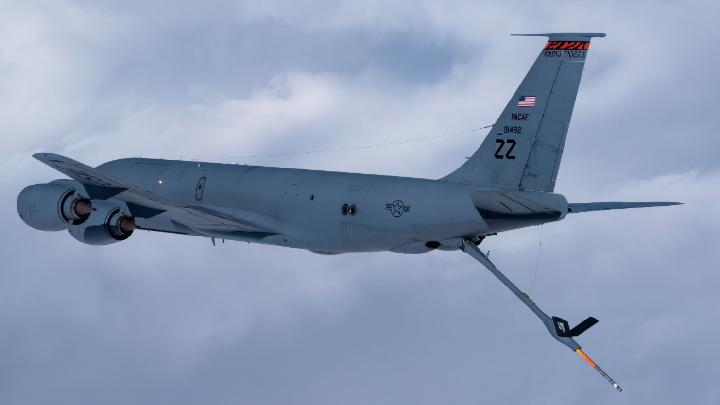
Macron and Merz, as well as the EU institutional heads, didn't have one-on-one meetings with Trump at the World Economic Forum, in part because the U.S. president's trip was delayed due to a plane issue.
So, the other question is whether it was the EU that prompted the U.S. president to change his mind. Trump also faces domestic political pressure — U.S. voters head to the polls for midterm elections in November, and the stock market jittered amid the Greenland tariffs debacle.
"All the elements ... may also have played a role," admitted von der Leyen. "But without firmness, non-escalatory responses and unity on the European Union, they would not have worked."
Observers, however, believe there has been a shift in Brussels.
"EU leaders are still split on the best way to deal with Donald Trump, but they also agree that they need to be prepared for all eventualities now," said Georgina Wright, a senior fellow at the German Marshall Fund think tank. "The EU has lots of ways it can demonstrate strength."
Trump's questionable Greenland deal
The details of the "framework" deal Trump reached with Rutte have yet to be released, but the outline appears to be a renegotiation of a 1951 agreement between the U.S. and Denmark that allowed for the swifter deployment of U.S. troops to Greenland. The New York Times reported that the agreement could even include some ceding of territory when bases are installed.
The original deal already included provisions for the U.S. to deploy as many troops as it wanted to the Arctic island.
"Trump probably just invented his deal so it didn't look so bad when he U-turned," one EU diplomat told DW on the sidelines of the EU summit.
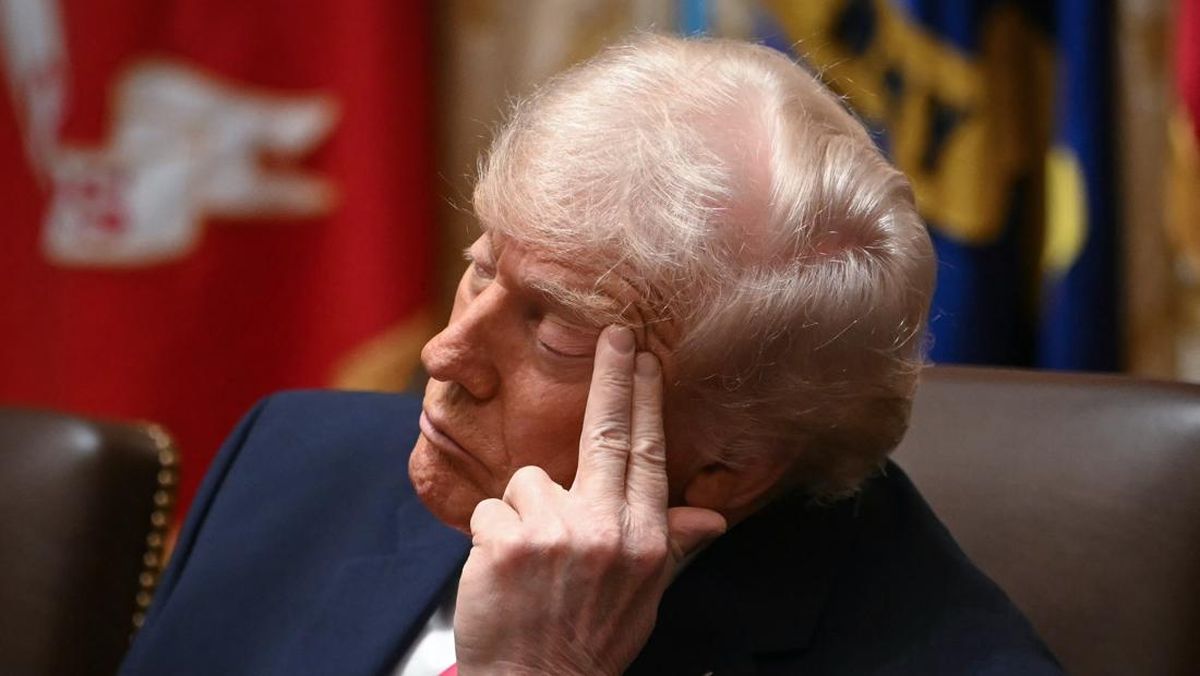
Whatever made the difference in the end, Trump seemed to be satisfied as he left Europe.
"We're all going to work together," Trump told reporters aboard Air Force One on his way back to the U.S. "We're going to be doing ... parts of it in conjunction with NATO, which is really the way it should be."
Read: EU Leaders Seek to Preserve Ties with US
Click here to get the latest news updates from Tempo on Google News
























:strip_icc():format(jpeg)/kly-media-production/medias/5486410/original/015853500_1769586166-Pesib_Kurzawa.jpg)